


 6
6 
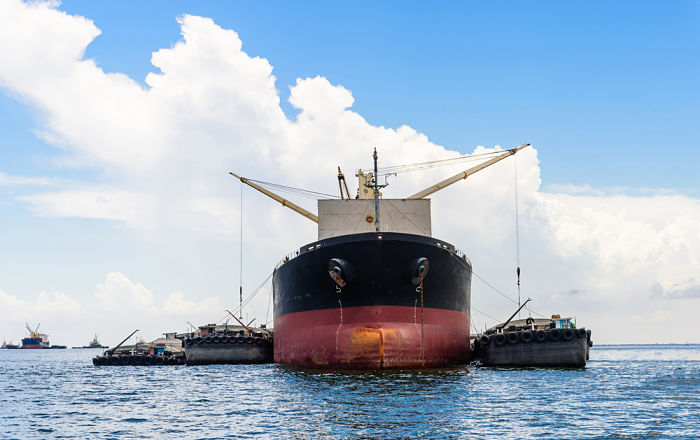
Cargo shortage disputes especially of agriculture products are frequent at discharge Ports. We come across with these cases very often especially when vessel has loaded cargo at load port by shore scale and cargo is discharged at multiple discharge Ports by draft surveys. Ship staff often unaware of discharge conditions at Indian Ports falls prey and this results in cargo shortage claims against vessel/owners.
We shall be able to avoid cargo disputes by following measures:
AT LOAD PORT
Accurate calculation of constant
First step on arrival load port has to be accurate calculation of vessel’s constant. For this accurate draft survey to be carried out.
Vessel must not go by previous constants records. We come across many cases where bunkers have been wrongly declared . Vessel declares constant from its previous record and which finally result in cargo disputes at discharge port.
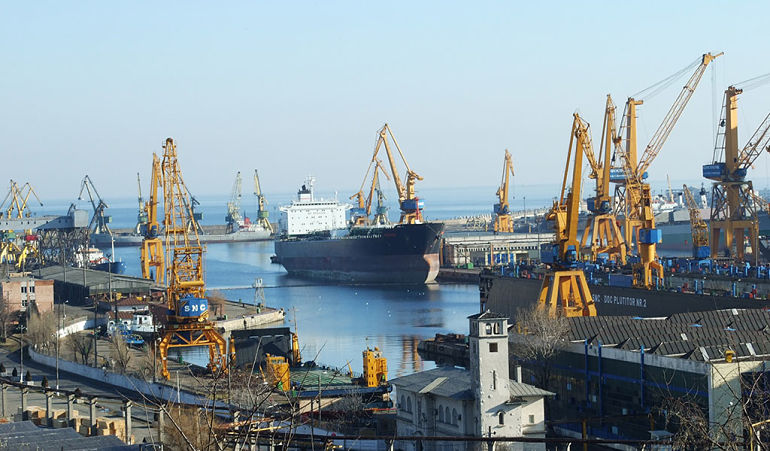
Density of DW/Hydrometer
Vessel must use accurate & certified hydrometers and carry out exact draft survey calculations to determine cargo quantity loaded.
Shore Scale Loading
Agriculture products are usually loaded at ports like Australia, Canada, Argentina, Brazil by shore scale. Though in Australian ports the shore scales are very accurate but even then shore scale must be compared by vessel’s draft survey.
In case of shortage of cargo from shore scale, draft survey quantity to be mentioned on mates receipt.
In case Clean MR/Bill of lading is to be issued , owners must ask charterers to provide LOI for difference in shore scale and draft survey quantity.
Arranging P&I
P&I attendance must be arranged at load port to ascertain cargo quantity and hatch sealing. There opinion must be taken in case of ship/shore discrepancy of cargo.For example West of England P&I club shall allows for a cargo discrepancy of 0.3% .Different clubs have different regulations in this matter.
Join now to access this article and much more.
Admin has placed this article behind a paywall, making it accessible only with a paid membership, which offers numerous perks:
- Contribute to creating a platform for reading and writing without ads.
- Enjoy all content here, including exclusive articles for members.
- Gain access to all exclusive articles for members.

About Capt Rajeev Jassal


Capt. Rajeev Jassal has sailed for over 24 years mainly on crude oil, product and chemical tankers. He holds MBA in shipping & Logistics degree from London. He has done extensive research on quantitatively measuring Safety culture onboard and safety climate ashore which he believes is the most important element for safer shipping.




Comments (6)