


 60
60 
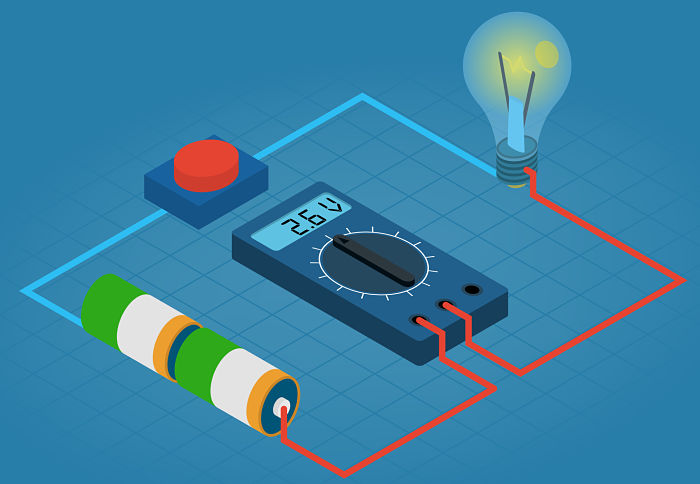
GMDSS batteries provide power to GMDSS equipments in case ship’s main as well as emergency power fail. The requirement of GMDSS batteries is governed by Regulation 13, Chapter 4 of SOLAS.
As per SOLAS, GMDSS batteries should provide power to operate GMDSS for
- 1 hour in case GMDSS has the power from emergency generators
- 6 hours in case GMDSS does not have the power from emergency generators.
- Batteries must be recharged to the required minimum in less than 10 hours.
- The capacity of the batteries must be checked at interval of less than 12 months.
Maintaining the GMDSS batteries in excellent condition is important to have them ready in emergency. There are typically three type of tests/Maintenance done on GMDSS batteries.
- Daily on Load/Off Load test
- Yearly Capacity test
- General Maintenance required on the battery.
1. Daily On Load / Off Load test
On load / off load test is done to ensure that
- GMDSS equipments can have the power from battery. This ensures that all the connections from the battery to the GMDSS equipmemts are intact.
- Battery is able to provide power during operation of the GMDSS equipments. That is when load is put on battery, it does not drain out too quickly.
For the on Load / Off load test, Following procedure should be followed
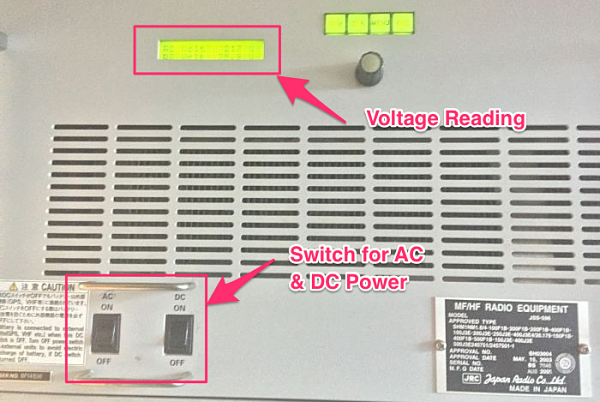
1. First Switch off the AC power to the GMDSS station. The power button is usually under the GMDSS panel or on some ships in the radio room (if you still have one). If you have different AC source for charging the battery, that too need to be switched off. This is because if the battery is on continuous charge, this will not show any drop in voltage which we intend to find out with On Load/Off Load test.
Join now to access this article and much more.
Admin has placed this article behind a paywall, making it accessible only with a paid membership, which offers numerous perks:
- Contribute to creating a platform for reading and writing without ads.
- Enjoy all content here, including exclusive articles for members.
- Gain access to all exclusive articles for members.

About Capt Rajeev Jassal


Capt. Rajeev Jassal has sailed for over 24 years mainly on crude oil, product and chemical tankers. He holds MBA in shipping & Logistics degree from London. He has done extensive research on quantitatively measuring Safety culture onboard and safety climate ashore which he believes is the most important element for safer shipping.




Comments (60)