


 74
74 
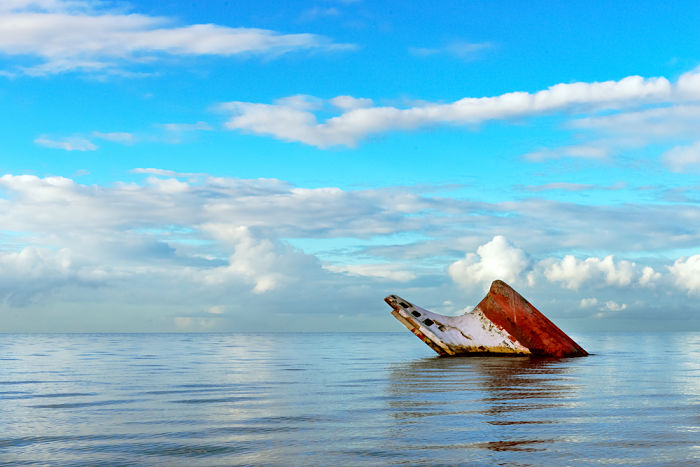
Salvage mean “rescue a wrecked or disabled ship or its cargo from loss at sea”. The party rescuing is called “Salvor” and the wrecked or disabled ship is called “Property being salvaged”. Simply put, as per salvage convention Salvor does a work to salvage the property and he gets a reward / Compensation for his efforts to save the property.
The introduction and historical developments in salvage convention apart from listing the duties of various parties, has been based upon the question of when and how much monetary benefits the salvor should get for his efforts.
History has seen three major developments in the salvage law
- Brussel Convention
- Salvage convention in 1989 and
- SCOPIC Clause in the LOF.
The Brussels convention was the first official convention to talk about salvage at sea and was based upon the “NO CURE, NO PAY” principle. The major problem with the Brussels convention was that salvors would not touch a high risk property as because of being high risk, their chances of getting monetary benefits as well as to recover their expenses were minimal.
In the late 80s, with few of the infamous oil pollution incidents, it became a necessity to encourage salvor to take up the high risk salvage contract where potential oil pollution and marine environment was involved and for this reason a special compensation under article 14 was introduced in salvage convention which was also the main distinguishing thing from Brussel’s convention.
As per Article 14 “if the salvor by his salvage operations has prevented or minimised damage to the environment, salvor is entitled for a special compensation equivalent to his expenses which can be increased up to 30% to 100% of the expenses under certain circumstances. These expenses were to be born by ship owners and this was the first time when P&I clubs were also involved in salvage operation as they had to pay these expenses on owners behalf.”
Both Salvor and the ship owners had few concerns with Article 14. Shipowners and P&I clubs were concerned that Salvor could unnecessarily prolong the salvage operation to claim more expenses under special compensation. Also the the Hull underwriters might delay the decision to declare the vessel as “Total Constructive loss” as they would have nothing to loose by delaying their decision.
Join now to access this article and much more.
Admin has placed this article behind a paywall, making it accessible only with a paid membership, which offers numerous perks:
- Contribute to creating a platform for reading and writing without ads.
- Enjoy all content here, including exclusive articles for members.
- Gain access to all exclusive articles for members.

About Capt Rajeev Jassal


Capt. Rajeev Jassal has sailed for over 24 years mainly on crude oil, product and chemical tankers. He holds MBA in shipping & Logistics degree from London. He has done extensive research on quantitatively measuring Safety culture onboard and safety climate ashore which he believes is the most important element for safer shipping.



Comments (74)