


 8
8 
What is Hedging: As per the business directory, Hedging is a risk management strategy used in limiting or offsetting probability of loss from fluctuations in the prices of commodities, currencies, or securities. In effect, hedging is a transfer of risk without buying insurance policies. Hedging is done by the various risk derivatives. To understand this, it is important to first understand the basics of risk derivatives.
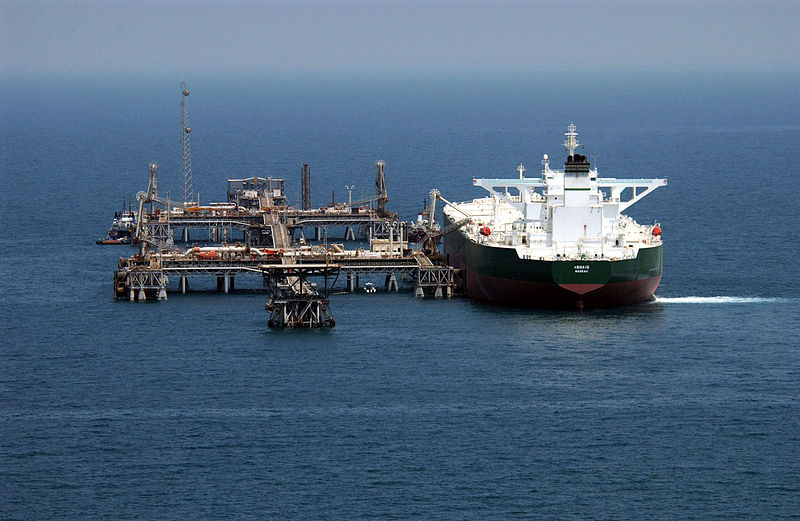
Broadly speaking there are two types of risk derivatives. Exchange traded and over the counter derivatives. As the name suggests, exchange traded derivatives are traded in the international exchanges (for example New York Mercantile exchange, NYMEX), where standard contracts, terms of which have been defined by the exchange are traded.
Over the counter (OTC) derivatives are traded through dealers and the contracts are tailor made. OTC derivatives come with the risk of other party not fulfilling his obligations.
In the trade exchange, future contracts and Options contract derivative are normally traded and Oil/gas companies choose these two hedging contracts.

To understand these hedging techniques, assume that I am oil/gas Production Company and I am producing 100000 barrels in a month. Today’s crude oil price is $80/barrel. I am afraid that by next month , when I will have inventory of around 100000 barrels, the crude oil price may fall to below $75/Barrel, and I might make a loss of $500000 compared with today’s crude oil price. Lets see how I can use hedging to reduce this loss.
1. Future and Forward contracts:
(The fundamental difference between future and forward contracts is that one is traded in exchanges while other is traded OTC, here I will discuss Future contracts).
Join now to access this article and much more.
Admin has placed this article behind a paywall, making it accessible only with a paid membership, which offers numerous perks:
- Contribute to creating a platform for reading and writing without ads.
- Enjoy all content here, including exclusive articles for members.
- Gain access to all exclusive articles for members.

About Capt Rajeev Jassal


Capt. Rajeev Jassal has sailed for over 24 years mainly on crude oil, product and chemical tankers. He holds MBA in shipping & Logistics degree from London. He has done extensive research on quantitatively measuring Safety culture onboard and safety climate ashore which he believes is the most important element for safer shipping.







Comments (8)